Why Nancy Is a Historian’s Dream
When I first planned my trip to Nancy, I thought I would be captivated by its famed Place Stanislas, the golden gates, and the unmistakable Art Nouveau architecture. What I didn’t expect was how deeply this city wears its history on every corner, in every building, and, most importantly, in its museums. Nancy isn’t just a city—it’s a living timeline of Lorraine’s identity, from medieval duchies to revolutionary France, and from Art Nouveau glory to modern creativity.
I often seek out museums as my anchor points in a new city. They’re like storytellers—you sit with them, listen, and leave with a piece of the place in your heart. In Nancy, the museums were nothing short of revelations.
I’ll walk you through four of Nancy’s must-see museums:
- Musée des Beaux-Arts de Nancy
- Musée de l’École de Nancy
- Musée Lorrain (Palais des Ducs de Lorraine)
- Musée de l’Histoire du Fer
For each, I’ll share the three works or exhibits that moved me personally, plus three that I would recommend to every visitor, whether you’re a seasoned historian or a curious traveler. Along the way, I’ll sprinkle in the practical details—ticket prices, opening hours, discounts, and even how to get there—because nothing is worse than missing out on a masterpiece because you showed up on the wrong day!
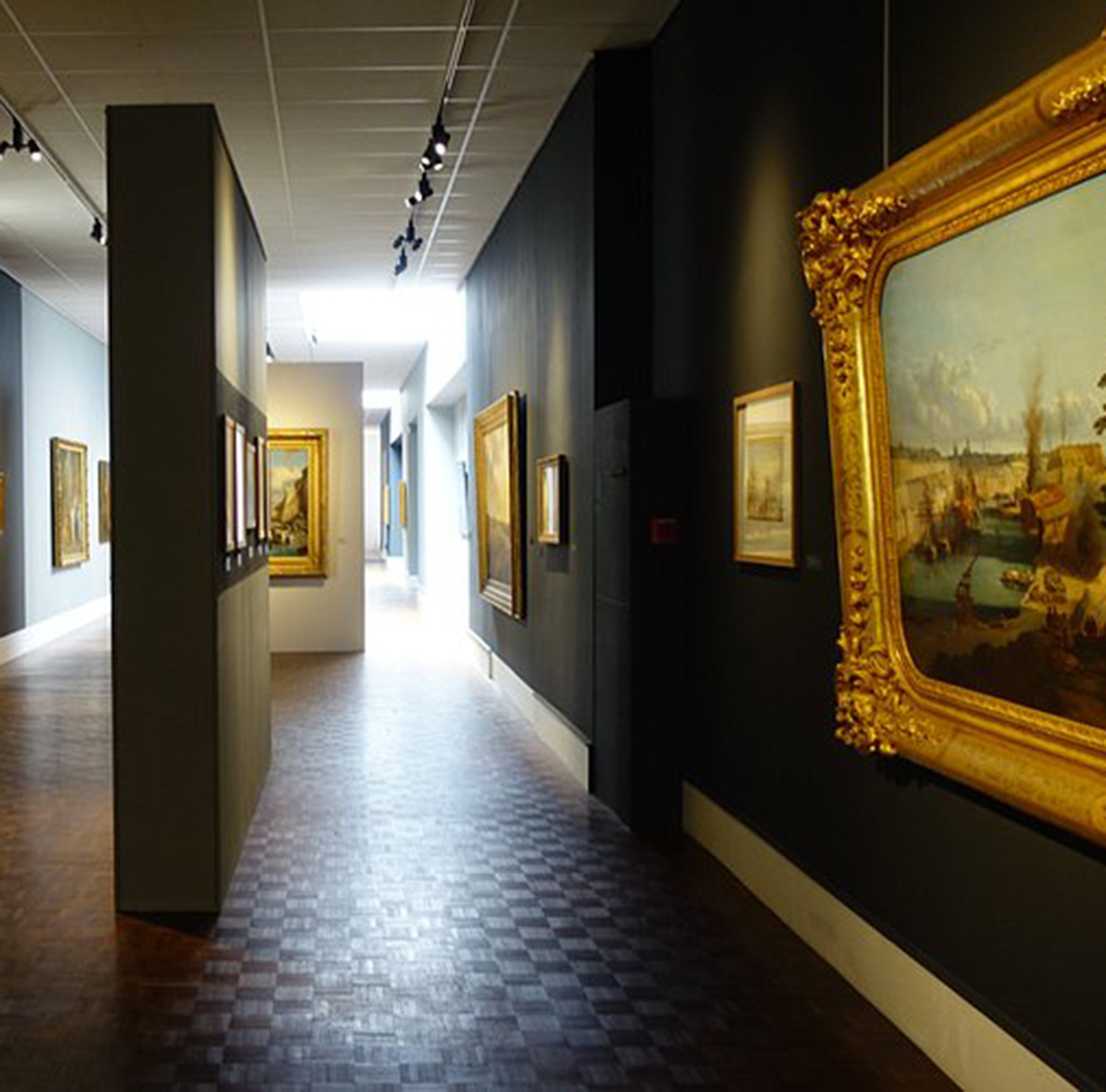
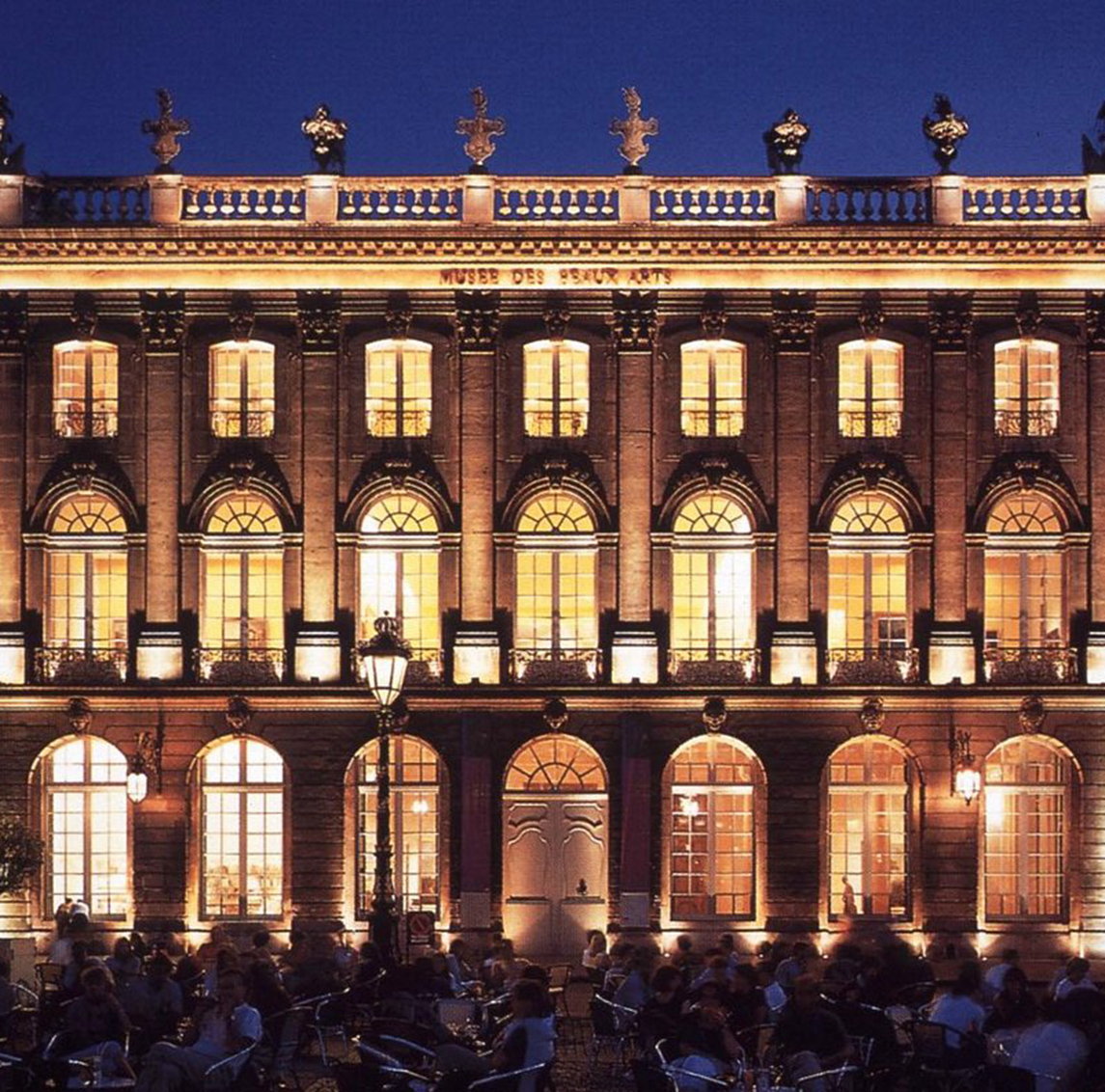
Musée des Beaux-Arts de Nancy – Where Centuries of Art Converge
📍 Location: Place Stanislas, 54000 Nancy
💶 Entry Price: €7 full price / €4 reduced (students, seniors); free on first Sundays of the month
🕒 Opening Hours: Wednesday–Monday, 10:00 AM – 6:00 PM; closed Tuesdays
🚉 Getting There: 10-minute walk from Gare de Nancy-Ville; trams and buses stop at “Cathédrale.”
Situated right on Place Stanislas, the Musée des Beaux-Arts is both architecturally stunning and intellectually enriching. The façade itself feels like a promise: step inside, and you’ll travel from medieval altarpieces to 20th-century abstract art.
My Three Favorite Works
- Caravaggio’s “The Annunciation” – I nearly stopped breathing when I first laid eyes on this. The chiaroscuro was alive, the angel seemed to step out of the canvas. Standing there, I whispered, “So this is what faith on canvas looks like.”
- Emile Friant’s “La Toussaint” – A deeply emotional piece showing townspeople gathering in a cemetery. It struck me as hauntingly close to Lorraine’s history of wars and resilience. I could almost hear the whispers of loss.
- Jean Prouvé’s Furniture Collection – While not a single artwork, this modern design section blew my mind. To think that Nancy wasn’t only about Art Nouveau but also contributed to modernist architecture and design!
Three Works I Recommend for Visitors - Rubens’ “The Expulsion from Paradise” – Grand, overwhelming, and a masterclass in movement.
- Monet’s “Cliffs at Étretat” – A splash of impressionist light that contrasts so vividly with the darker Baroque works.
- Daum Crystal Collection – A permanent exhibition in the basement showcasing shimmering, jewel-like glasswork from Nancy’s famed Daum factory.
Experience & Practical Notes
• Service: The staff were polite and eager to share insights (switch to French and they’ll beam with pride).
• Pros: Rich permanent collection, great mix of local and international works, central location.
• Cons: Can feel overwhelming in one visit; I’d recommend breaking it into two.
👉 Tip: Book tickets online via the official Nancy Museums website to skip lines, especially during summer.
Musée de l’École de Nancy – A Love Letter to Art Nouveau
📍 Location: 38 Rue Sergent Blandan, 54000 Nancy
💶 Entry Price: €6 full price / €4 reduced; combined ticket with Musée des Beaux-Arts for €10
🕒 Opening Hours: Wednesday–Monday, 10:00 AM – 6:00 PM; closed Tuesdays
🚉 Getting There: Take tram 1 to “Exelmans,” then a 5-minute walk.
Nancy was the epicenter of Art Nouveau in France, and nowhere is this better celebrated than at the Musée de l’École de Nancy. The museum is set in the former home of Eugène Corbin, an industrialist and major patron of the movement. Walking through the rooms feels like time travel: stained glass, elegant wood furniture, and intricate ironwork all tell the story of Nancy’s golden artistic era.
My Three Favorite Works
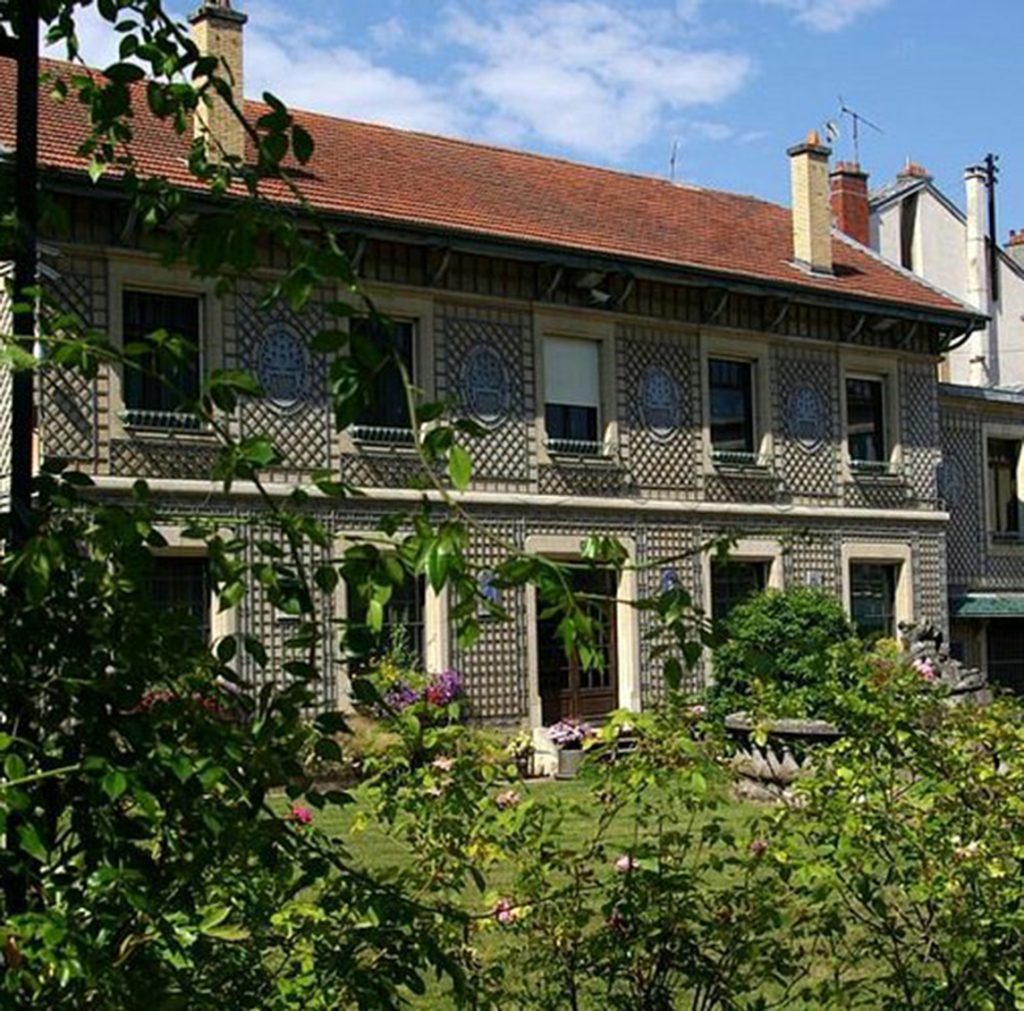
- Emile Gallé’s “Dragonfly Bed” – A dreamlike piece, carved and inlaid with such precision that I almost expected the dragonfly wings to flutter. I stood there for ten minutes, lost in its beauty.
- Louis Majorelle’s Dining Room Set – The curves, the floral motifs, the craftsmanship—it was as if the furniture was alive, breathing in rhythm with the house.
- Victor Prouvé’s Stained Glass Windows – They glowed like living jewels in the daylight, transforming the interior into a kaleidoscope of colors.
Three Works I Recommend for Visitors - Daum Brothers’ Glass Vases – Stunningly iridescent, each one a universe in glass.
- Gallé’s Cabinet with Marquetry of Plants – Perfect for understanding how deeply Art Nouveau artists drew inspiration from nature.
- The Garden – A lesser-known gem, filled with Art Nouveau-style landscaping, which feels like stepping into a painting.
Experience & Practical Notes
• Service: The docents are passionate and will gladly point out hidden details you might miss.
• Pros: Unique focus on Nancy’s Art Nouveau heritage; intimate and immersive.
• Cons: Smaller than expected—plan only 1–2 hours.
👉 Tip: Pair your visit with a walk through the surrounding neighborhood; many villas nearby showcase Art Nouveau façades.
Musée Lorrain (Palais des Ducs de Lorraine) – The Soul of Lorraine
📍 Location: Palais Ducal, 64 Grande Rue, 54000 Nancy
💶 Entry Price: €6 full price / €4 reduced; free for under-26 EU residents
🕒 Opening Hours: Wednesday–Monday, 10:00 AM – 6:00 PM; closed Tuesdays
🚉 Getting There: 15-minute walk from Gare de Nancy-Ville; bus stop “Division de Fer.”
For anyone who wants to understand Nancy’s historical identity, the Musée Lorrain is non-negotiable. Housed in the Ducal Palace, it’s a labyrinth of history, from medieval weapons to Renaissance tapestries, all chronicling Lorraine’s complex past.
My Three Favorite Works
- Duke René II’s Suit of Armor – I stood before it, imagining the Battle of Nancy in 1477, when Lorraine defeated Charles the Bold. The armor seemed almost to radiate the duke’s determination.
- The Lorraine Cross Tapestry – A symbol that still resonates across the region; seeing it in woven form was like touching history.
- The Renaissance Courtyard – Not a painting, but stepping into it gave me goosebumps. The stone arches whispered stories of dukes and duchesses.
Three Works I Recommend for Visitors - Medieval Sculptures of the Apostles – Eerily expressive and beautifully preserved.
- 17th-Century Altarpiece from Saint-Nicolas-de-Port – A stunning masterpiece of religious art.
- Lorraine Folk Costumes Collection – A charming section that shows the daily lives of the region’s people.
Experience & Practical Notes
• Service: Staff were helpful but less interactive compared to other museums.
• Pros: Comprehensive history of Lorraine; atmospheric setting in a real ducal palace.
• Cons: The museum is undergoing renovations (check schedules), and some sections may be closed.
👉 Tip: Combine this visit with a walk down Grande Rue, which is lined with historic architecture.
Musée de l’Histoire du Fer – The Industrial Heartbeat
📍 Location: 1 Av. du Général de Gaulle, 54140 Jarville-la-Malgrange (suburb of Nancy)
💶 Entry Price: €6 full price / €4 reduced
🕒 Opening Hours: Wednesday–Monday, 10:00 AM – 6:00 PM; closed Tuesdays
🚉 Getting There: From Gare de Nancy-Ville, take train TER to Jarville-la-Malgrange (5 minutes), then a 10-minute walk.
Now, this was a surprise. At first, I hesitated: a museum about iron? But the Musée de l’Histoire du Fer turned out to be one of the most fascinating places I visited in Lorraine. Nancy was once a hub of the iron industry, and this museum tells the story of metallurgy from the Iron Age to modern steelworks.
My Three Favorite Works
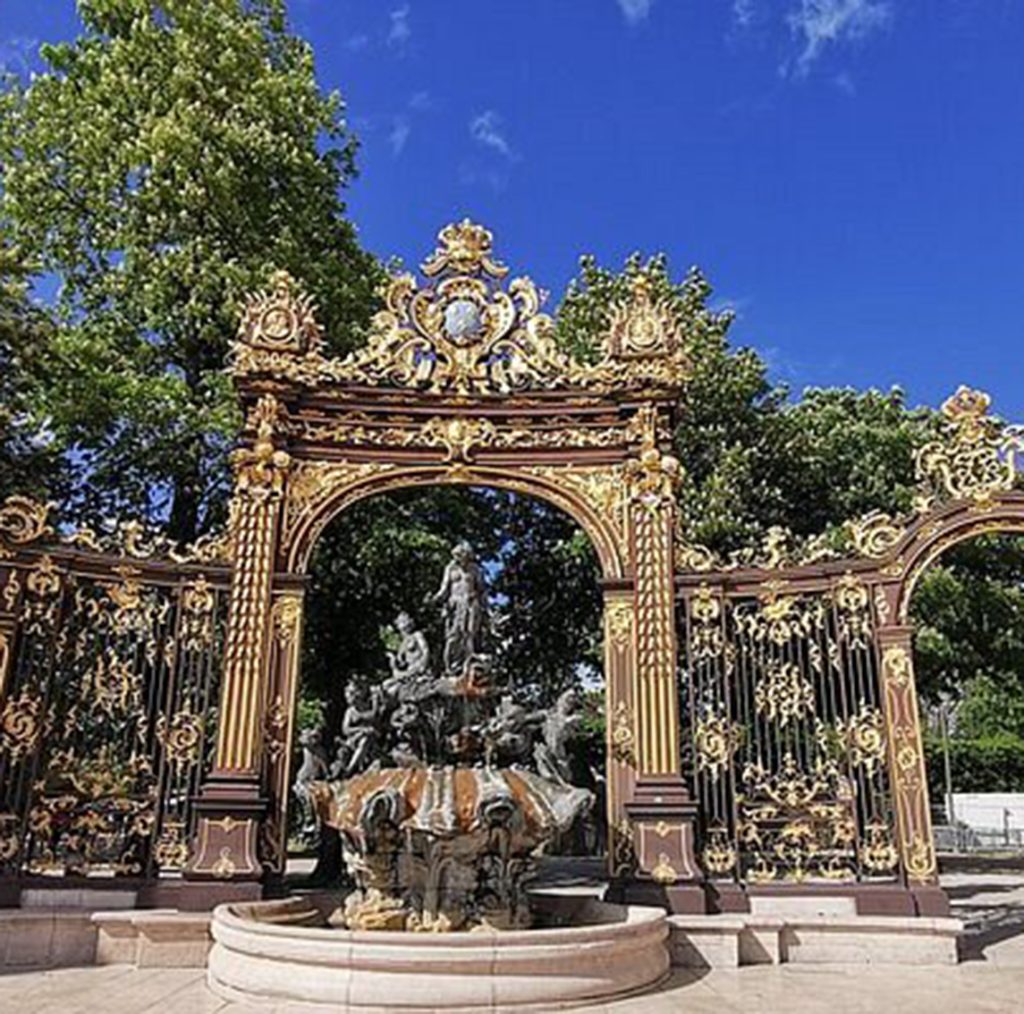
- The Forged Iron Gates of Jean Lamour – Yes, the same craftsman who created the golden gates of Place Stanislas. Seeing his ironwork up close was humbling.
- Blast Furnace Models – These intricate miniatures explained centuries of industrial progress in one glance.
- Medieval Swords and Tools – Practical objects that somehow carried poetry in their design.
Three Works I Recommend for Visitors - Exhibits on Lorraine’s Steel Boom – Insight into how this industry shaped the region’s economy.
- Artistic Ironworks Collection – Proof that functionality can be art.
- Temporary Exhibitions – Often surprising; during my visit, there was a fascinating show on modern recycling methods.
Experience & Practical Notes
• Service: Engaged staff, especially with kids—great family-friendly museum.
• Pros: Unique subject, hands-on exhibits, strong local relevance.
• Cons: Location slightly outside Nancy, requires extra planning.
👉 Tip: Book through the Métropole Grand Nancy website; they sometimes offer combo passes with other museums.
Booking, Discounts, and Platforms
• Nancy City Pass (€18 for 24 hours, €25 for 48 hours): Free entry to most museums + public transport.
• LaFourchette (TheFork): While mainly for restaurants, occasionally lists combined cultural offers.
• Official Museum Websites: Most allow online booking; check for first Sunday of the month free entry deals.
• Student Discounts: If you’re under 26 and an EU resident, many entries are free—carry ID!
Why Nancy’s Museums Moved Me So Deeply
Walking through these museums, I felt like I was leafing through the soul of Lorraine—page by page, era by era. The Musée des Beaux-Arts dazzled me with masterpieces that stretched across Europe. The École de Nancy whispered the poetry of nature through curved furniture and glowing glass. The Musée Lorrain grounded me in the dukes’ legacy, and the Musée du Fer showed me how industry is as much a part of identity as art.
Nancy taught me that history isn’t confined to dusty timelines—it’s alive in stained glass, in the curve of a chair, in the clang of iron, and in the brushstrokes of a canvas. Each museum was not just a visit, but an encounter—with beauty, with struggle, with innovation.
If you’re a history buff, or even just someone who likes to understand a place beyond the surface, Nancy is your treasure chest. Open it, explore it, and you’ll leave with more than photos—you’ll carry centuries of stories etched into your memory.